




7 Critical Steps of Emergency Flood Restoration in NJ

New Jersey isn’t a stranger to heavy rains and unexpected storms, and when the water starts rising, it’s not just an inconvenience—it can seriously damage homes. Flooding in NJ can happen faster than you’d think, and once it hits, the clock is ticking. Water can start seeping into every corner of your house, and before you know it, mold and structural damage become real threats. That’s where emergency flood restoration in NJ steps in. Every homeowner in New Jersey needs a reliable game plan for tackling flood damage, and knowing the critical steps can make all the difference. In fact, FEMA reports that even just one inch of water can cause $25,000 in repairs.
So, how do you bounce back after a flood? It’s all about acting fast and knowing exactly what steps to take to restore your home quickly and safely.
Why Flood Restoration Matters
Flooding is more common than many people think, especially in areas like New Jersey, where coastal storms and heavy rains frequently occur. That’s why understanding the process of emergency flood restoration in NJ is essential for homeowners. Knowing what steps professionals take to restore your home can help you take the right action quickly and avoid unnecessary costs.
1. Initial Inspection and Assessment
The first step in emergency flood restoration is a thorough inspection and assessment. This helps restoration professionals determine the extent of the damage, including how much water has entered the home and which areas are most affected. They’ll check walls, floors, and even furniture to understand the full scope of the problem.
- Goal: The main purpose of this inspection is to develop a comprehensive restoration plan.
- Why It Matters: An assessment could detect critical damage, leading to future issues like mold or structural problems.
2. Water Removal
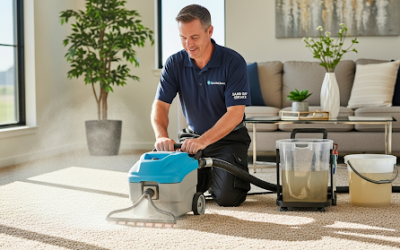
Once the assessment is complete, the next step is to remove standing water. Restoration teams use industrial-grade pumps and vacuums to quickly extract large volumes of water. The longer water remains in the home, the more severe the damage becomes, which is why speed is crucial.
- What Happens: Professionals typically work from the top down, focusing on rooms and spaces where water is pooling.
3. Drying and Dehumidification
After the bulk of the water is removed, the drying process begins. Even if no standing water is visible, moisture can still be trapped in walls, floors, and ceilings. This step involves high-powered air movers and dehumidifiers to remove hidden moisture.
- Why It’s Important: Any remaining moisture can lead to mold growth and weaken the structure of your home.
- Key Focus: Depending on the severity of the water damage, the drying process can take several days, but it’s a necessary step to avoid future issues.
4. Cleaning and Sanitizing
Floodwaters often contain contaminants, especially if storms or sewage backups caused the flooding. Cleaning and sanitizing all affected surfaces is a must to ensure that your home is safe to live in.
- Cleaning Process: This includes disinfecting floors, walls, and furniture and using specialized products to eliminate bacteria and mold spores.
- Health Impact: Failing to sanitize properly can result in long-term health risks from mold exposure or waterborne bacteria.
5. Mold Prevention and Treatment
Mold can start growing within 24-48 hours after a flood, so preventing it is a top priority. NJ water damage restoration services often include mold inspections and treatments to stop any potential growth before it becomes a serious problem.
- Action Taken: This involves using antimicrobial treatments and occasionally removing affected materials, such as drywall or carpet, that cannot be saved.
6. Structural Repairs
Flood damage can weaken the structure of your home, especially if the water has been sitting for some time. Repairs may be necessary to replace damaged drywall, flooring, or insulation. NJ water damage restoration teams often coordinate with contractors to address any serious structural concerns.
- What May Be Involved: Replacing insulation, reinforcing weakened walls, and repairing broken plumbing or electrical systems.
- Focus: The goal is to ensure the house is structurally sound and safe for long-term use.
7. Final Restoration and Follow-Up
The last step in the emergency flood restoration process is to restore your home to its pre-flood condition. This can involve minor repairs like repainting walls or larger renovations if significant damage occurs.
- End Goal: The goal is to make the home look like the flood never happened.
- Pro Tip: Many companies offer follow-up inspections to ensure no hidden moisture or damage reappears.
Prevention Tips for NJ Homeowners
While emergencies can’t always be avoided, you can take some preventative measures to reduce your risk of flood damage:
- Install a sump pump in your basement to prevent flooding.
- Ensure gutters and drainage systems are clear to direct water away from your home.
- Consider getting flood insurance if you live in a high-risk area.
Final Thoughts
Emergency flood restoration requires prompt action and professional expertise. With steps like water removal, drying, mold prevention, and final restoration, homeowners can rest assured that their homes are in safe hands.
If you encounter flood damage, remember that quick response is key. By knowing the steps of water damage restoration, you can help protect your home and your family from the long-term effects of flooding.