





Emergency Response: What to Do When You Suspect a Stroke
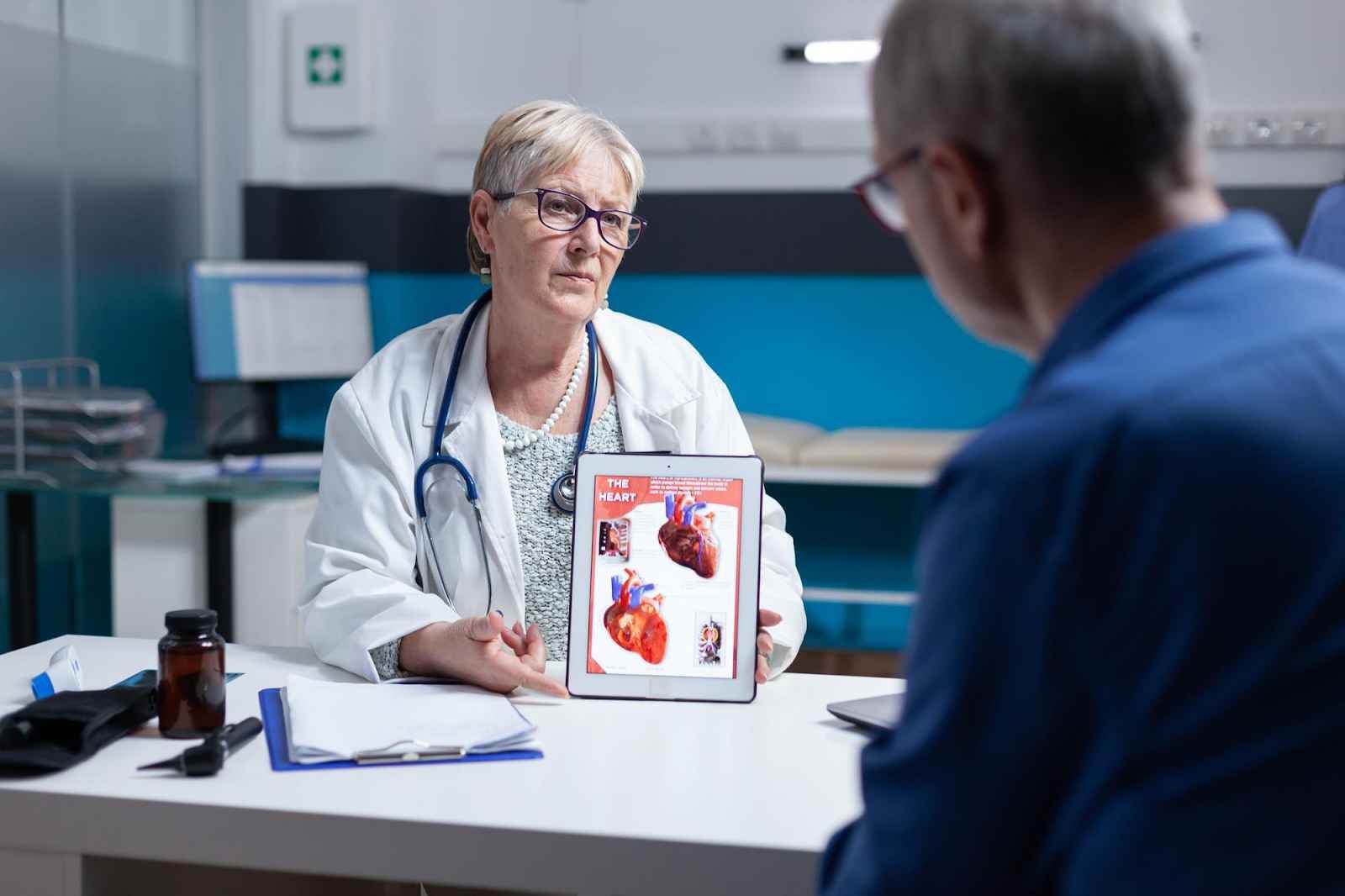
A stroke is a serious medical emergency that demands immediate attention. It occurs when there is a sudden disruption of blood flow to the brain, causing brain cells to become damaged or die. If not treated quickly, strokes can lead to long-term disabilities or even death. Recognising the early signs of a stroke and knowing how to respond quickly can significantly improve recovery outcomes.
Recognising the Symptoms of a Stroke
The first step in responding to a suspected stroke is to recognise the symptoms. These can vary depending on the part of the brain affected, but common signs include:
- Sudden numbness or weakness on one side of the body, affecting the face, arm, or leg.
- Sudden confusion, slurred speech, or difficulty understanding speech.
- Sudden trouble seeing in one or both eyes.
- Sudden difficulty walking, dizziness, loss of balance, or lack of coordination.
If you suspect someone is having a stroke, immediate action is crucial. Do not wait to see if the symptoms improve on their own. Quick recognition of these symptoms is critical in facilitating acute infarct treatment and improving the chances of recovery.
Acute Infarct Treatment: The Importance of Prompt Action
Time is critical when treating a stroke. The quicker the treatment, the more likely it is that brain damage can be minimised. Acute infarct treatment focuses on restoring blood flow to the affected area of the brain.
An acute infarct, or ischaemic stroke, occurs when a blood clot blocks the blood flow to the brain. The primary goal in treating an acute infarct is to restore blood flow as soon as possible, typically through medication or surgical procedures. The quicker the clot is removed or dissolved, the better the chance of recovery.
If you suspect someone is having a stroke, it is essential to call emergency services immediately. Every minute counts, and the faster treatment is given, the more brain cells can be saved, reducing the risk of long-term disability.
Immediate Steps You Can Take Before Help Arrives
If you suspect someone is having a stroke, here are immediate actions to take while waiting for medical professionals to arrive:
- Call for Help Immediately: Dial emergency services right away and provide as much information as possible about the person’s condition.
- Keep the Person Calm and Still: Have the person lie down in a comfortable position with their head slightly raised.
- Do Not Give Food or Drink: Stroke victims may have trouble swallowing, and food or drink could cause choking.
- Note the Time: Record when the symptoms began, as this helps medical professionals determine the appropriate treatment.
- Monitor the Person’s Condition: If the person loses consciousness, check for breathing and pulse. Be prepared to perform CPR if necessary.
Taking these steps can help ensure the person receives the appropriate care as quickly as possible, improving the chances of a full recovery.
Treatment After Arrival at the Hospital
Once the person reaches the hospital, doctors will assess the type and severity using imaging tests, such as a CT scan or MRI. If an acute infarct is diagnosed, treatment will focus on restoring blood flow. Common treatments for an acute infarct include:
- Clot-busting medications (thrombolytics), such as tissue plasminogen activator (tPA), dissolve the clot.
- Clot retrieval involves using a device to remove the clot physically.
- Anticoagulants to prevent new clots from forming.
In severe cases, surgery may be needed to remove the clot or repair the blood vessel. After the immediate treatment, rehabilitation may be required to help regain lost functions, such as speech or movement.
Preventing Strokes and Reducing Risk
While strokes can’t always be prevented, several steps can reduce the risk:
- Control high blood pressure: This is the leading risk factor for stroke. Regular monitoring and treatment are essential.
- Manage diabetes: Keeping blood sugar levels under control is important for stroke prevention.
- Quit smoking: Smoking damages blood vessels and increases the risk of clot formation.
- Exercise regularly: Physical activity helps maintain a healthy weight and lowers the risk of stroke.
- Eat a healthy diet: A diet rich in fruits, vegetables, and whole grains can help control cholesterol and blood pressure.
While strokes cannot always be avoided entirely, taking proactive steps to manage health and reduce risk factors can significantly lower the chances of experiencing a stroke and improve overall well-being.
Conclusion
A stroke is a medical emergency that requires immediate attention. Recognising the symptoms early and acting quickly can save lives and reduce the risk of long-term disability. Acute infarct treatment plays a vital role in limiting brain damage and improving recovery outcomes. By following the steps outlined in this post and seeking professional medical help immediately, you can greatly improve the chances of a positive recovery for someone experiencing a stroke. Remember, time is critical, and acting fast can make all the difference in the outcome of stroke treatment.