





Troubleshooting Common Issues in Automatic Side Sealing Machines
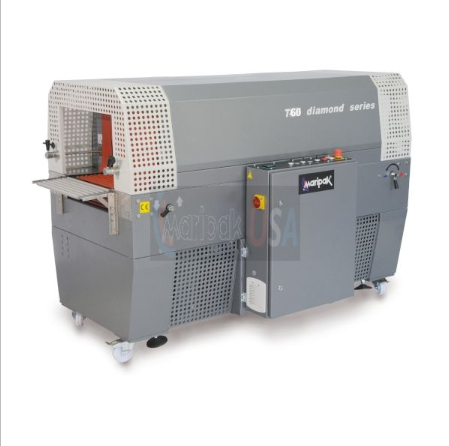
In modern packaging operations, efficiency and reliability are paramount. The automatic side-sealing machine is an essential component for producing consistently high-quality sealed packages, particularly for food, pharmaceuticals, and consumer goods. Despite its advanced design, operators often encounter common issues that can disrupt production and affect product quality. Understanding these problems, their causes, and practical solutions is critical for maintaining smooth operations and prolonging machine life.
Identifying Seal Inconsistencies
Seal inconsistencies are among the most frequent issues observed in automatic side-sealing machines. These can manifest as incomplete seals, wrinkles, or uneven edges. Common causes include incorrect temperature settings, worn sealing jaws, or misaligned components. Operators should regularly inspect the sealing elements for damage and ensure that temperature controls are calibrated for the film type. Consistent maintenance of the sealing jaws and proper alignment checks can significantly reduce occurrences of inconsistent seals.
Addressing Film Feeding Problems
Film feeding problems can lead to jams, wrinkles, or uneven packages. These issues often arise from improper film tension, incorrect roll positioning, or debris on the feed rollers. Ensuring that the film roll is correctly mounted and that tension is adjusted according to the packaging specifications is crucial. Additionally, routine cleaning of feed rollers prevents material buildup that can disrupt smooth feeding. Operators may also consider using sensors to detect and correct misfeeds before they escalate into downtime.
Managing Electrical and Sensor Malfunctions
Electrical faults and sensor errors can halt production unexpectedly. The automatic side sealing machine relies on precise sensor inputs to regulate timing, temperature, and sealing pressure. Common electrical issues include loose connections, worn wiring, or malfunctioning control boards. Regular inspection of wiring harnesses, connectors, and sensor functionality ensures reliable operation. In addition, keeping the control panel free from dust and moisture can prevent erratic sensor readings and reduce the risk of unexpected stoppages.
Preventing Overheating and Thermal Issues
Overheating is another frequent challenge, particularly in machines that operate continuously at high speeds. Temperature fluctuations can compromise seal quality and damage the sealing jaws. Maintaining proper ventilation and monitoring thermal controls are key to preventing these issues. Operators should check that the cooling system functions correctly and replace worn heating elements promptly. Following manufacturer guidelines for continuous operation can extend the machine’s life while preserving consistent seal integrity.
Lubrication and Mechanical Maintenance
Mechanical wear and tear are inevitable in high-speed packaging equipment. Lack of lubrication or accumulated debris can lead to friction, misalignment, or premature failure of moving parts. Scheduled maintenance routines, including lubrication of moving components and inspection for worn bearings or belts, are essential. Keeping the machine clean and well-lubricated minimizes downtime and ensures optimal performance throughout extended production runs.
Optimizing Machine Settings for Specific Materials
Different packaging films respond uniquely to heat and pressure. Adjusting machine parameters based on the material in use helps prevent common sealing issues. For instance, films with higher thickness or specialized coatings may require fine-tuning of temperature, dwell time, or sealing pressure. Training operators to understand these material-specific requirements improves overall product consistency and reduces waste.
Conclusion
Troubleshooting common issues in an automatic side sealing machine requires a combination of proactive maintenance, precise adjustments, and material-specific optimization. By addressing seal inconsistencies, film feeding problems, electrical faults, and mechanical wear, operators can maintain consistent production and extend the machine’s operational life. Incorporating proper care with compatible systems, such as a shrink film heat tunnel, ensures packages are sealed accurately and efficiently, supporting overall packaging line performance. Regular training for operators on machine troubleshooting techniques further reduces downtime and enhances productivity. Additionally, maintaining detailed maintenance logs can help identify recurring issues and streamline long-term operational planning.