







How Symptoms Of Thyroid Deficiency Differ In Men And Women
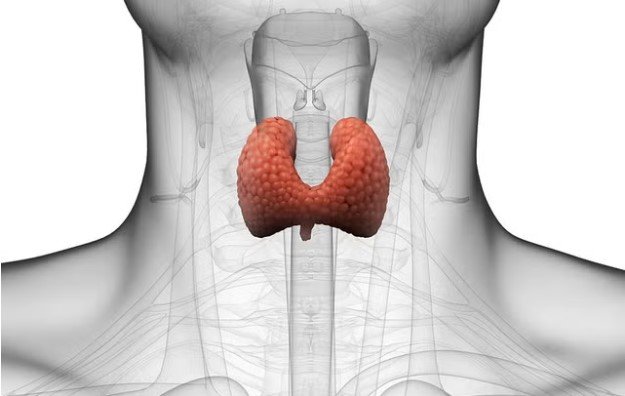
Thyroid health plays a crucial role in regulating metabolism, energy levels, and overall well-being. When the thyroid gland fails to produce sufficient hormones, it can lead to a range of health issues that impact both men and women. Understanding the symptoms of thyroid deficiency is essential for early detection and effective management. While some signs are common across genders, the manifestation of these symptoms often differs between men and women due to hormonal variations and physiological differences. Recognizing these distinctions can help individuals seek timely medical care and improve their quality of life.
Common Symptoms Across Both Genders
Regardless of gender, thyroid deficiency can lead to several general symptoms that indicate the need for medical evaluation. These include:
- Fatigue and Low Energy: A lack of thyroid hormones slows metabolism, causing persistent tiredness and difficulty maintaining normal daily activities.
- Weight Changes: Unexplained weight gain or difficulty losing weight is a common indicator of low thyroid function.
- Cold Intolerance: Feeling unusually cold, even in mild temperatures, may reflect a slowed metabolic rate due to thyroid hormone deficiency.
- Dry Skin and Hair Changes: Hair thinning, brittle hair, and dry skin are common outward signs of thyroid insufficiency.
These symptoms are often subtle at first and can be mistaken for stress, ageing, or other health conditions, which is why understanding gender-specific presentations is critical.
Symptoms In Women
Women are statistically more prone to thyroid disorders, including hypothyroidism, and hormonal fluctuations can amplify the effects of thyroid hormone deficiency. Some symptoms tend to be more pronounced or unique in women:
Menstrual Irregularities
Thyroid hormones interact closely with reproductive hormones, meaning low levels can cause changes in menstrual cycles. Women may experience heavier or irregular periods, missed cycles, or increased premenstrual symptoms.
Fertility Challenges
Women with untreated thyroid deficiency may face difficulties conceiving. Thyroid hormones play a role in ovulation and overall reproductive health, so hormone imbalance can disrupt fertility.
Mood Changes and Cognitive Impact
Women may notice more pronounced mood swings, anxiety, or depression related to thyroid hormone deficiency. Brain fog and difficulty concentrating are also common complaints.
Hair and Skin Sensitivity
While hair thinning can occur in both genders, women may notice diffuse hair loss or thinning at the scalp more prominently. Skin may become unusually dry and pale, with nails appearing brittle.
Weight and Metabolism
Women may struggle more with sudden weight gain, particularly around the abdomen and thighs. The combination of thyroid deficiency and hormonal changes can exacerbate metabolic slowdown.
Symptoms In Men
Men can also experience thyroid deficiency, though it is less common and often underdiagnosed. Symptoms in men can differ slightly from those observed in women:
Sexual Health and Libido
Low thyroid hormone levels in men can impact testosterone production, leading to decreased libido, erectile dysfunction, or reduced sexual performance.
Muscle Mass and Strength
Men may experience unexplained muscle weakness or loss of muscle mass. This can affect physical performance, stamina, and overall body strength.
Mood and Cognitive Effects
Men with hypothyroidism may report depression, irritability, or difficulty focusing. Cognitive slowdown can sometimes be misinterpreted as stress or ageing.
Hair and Skin Changes
Hair thinning in men often affects the scalp or eyebrows, and facial hair growth may slow. Dry, coarse skin may also be noticeable.
Weight and Metabolism
Men may experience weight gain predominantly around the midsection. Unlike women, hormonal interactions in men do not usually result in menstrual-related symptoms but can still impact overall energy and metabolism.
Importance of Early Diagnosis
Early recognition of thyroid deficiency symptoms in both men and women is critical for effective treatment. Blood tests measuring thyroid-stimulating hormone (TSH), T3, and T4 levels can confirm a diagnosis. Prompt medical intervention with hormone replacement therapy or other treatments can restore balance and prevent long-term complications, including cardiovascular issues, infertility, or severe fatigue.
Lifestyle and Supportive Measures
Alongside medical treatment, lifestyle adjustments can help manage thyroid deficiency symptoms:
- Balanced Diet: Consuming foods rich in iodine, selenium, and zinc supports thyroid health.
- Regular Exercise: Physical activity can improve metabolism, energy levels, and mood.
- Stress Management: Techniques like meditation, yoga, or mindfulness can help reduce stress, which can exacerbate symptoms.
- Regular Monitoring: Ongoing check-ups and blood tests ensure hormone levels remain balanced and treatment remains effective.
Conclusion
Understanding how thyroid deficiency symptoms differ between men and women is essential for early detection and effective management. While fatigue, weight gain, and hair changes are common indicators, women may experience menstrual irregularities and fertility challenges, whereas men may notice sexual dysfunction and muscle weakness. Recognizing these gender-specific presentations allows for timely medical intervention, improving quality of life and preventing long-term health complications.