





Why Used Car Loan Rates Are Often Higher Than New Car Rates
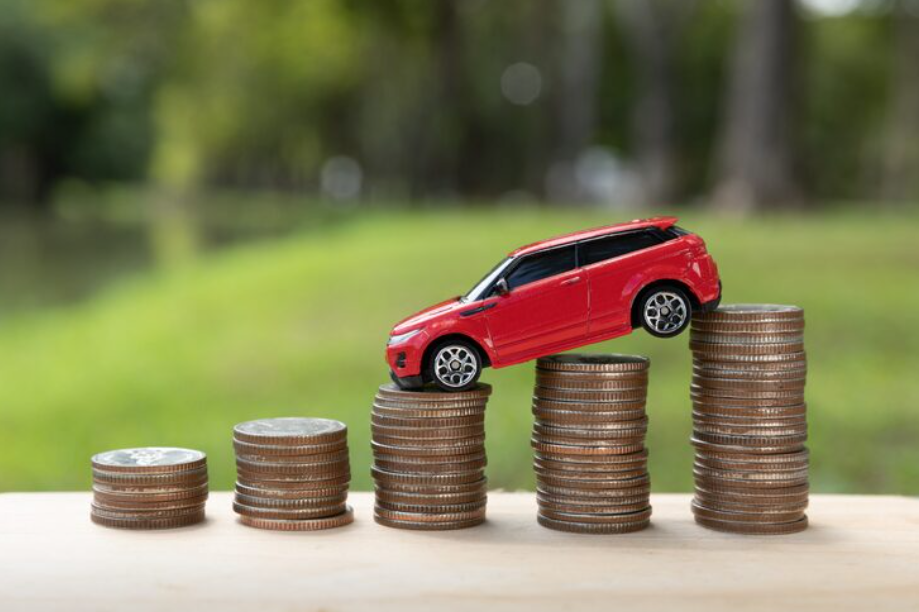
When it comes to financing a vehicle, most buyers notice one surprising trend — used car loan rates are usually higher than those for new cars. While this might seem counterintuitive at first, lenders have sound financial reasons for doing so. Whether you’re comparing different car loans in Canada or exploring your first auto financing option, understanding why interest rates vary between new and used vehicles can help you make a smarter financial decision.
The Basics Of Car Loan Rates
Car loan rates are determined by several factors, including the borrower’s credit score, loan term, vehicle age, and the lender’s risk assessment. In general, lenders view used cars as riskier investments than new ones. This perception of higher risk translates into higher car loan rates for used vehicles.
Even a difference of 1–2% in the interest rate can significantly affect the total cost of a loan. That’s why it’s important for buyers to understand how these rates are calculated and what influences them before signing any agreement.
Why Used Car Loan Rates Are Higher
1. Depreciation And Vehicle Value
New cars lose value quickly, but used cars come with uncertain depreciation patterns. Lenders worry that an older vehicle may lose its value faster or have mechanical issues that reduce its worth. Since the car itself is used as collateral for the loan, this risk directly impacts the lender’s confidence.
To offset this risk, lenders increase the used car loan rates slightly to protect themselves against potential loss if the borrower defaults and the car’s resale value isn’t high enough to recover the loan balance.
2. Higher Risk Of Default
Used car buyers often include borrowers with tighter budgets or lower credit scores. Statistically, this group poses a higher risk of missed or delayed payments. Even if your credit score is solid, lenders price interest rates according to overall market risk, not individual exceptions.
As a result, higher default risk across the market leads to higher average car loan rates for used vehicles.
3. Shorter Loan Terms
Used car loans typically come with shorter repayment periods — often three to five years — compared to the longer terms available for new vehicles. Shorter terms mean higher monthly payments, which can increase the lender’s exposure to risk in a shorter time frame.
Because of this condensed repayment structure, lenders compensate by offering slightly higher interest rates.
4. Limited Manufacturer Incentives
When you buy a new car, manufacturers often partner with financial institutions to provide promotional financing — sometimes as low as 0% interest or cashback offers. These incentives reduce the effective cost of borrowing.
Used cars, on the other hand, are rarely supported by such programs. Without manufacturer subsidies, lenders must rely solely on traditional lending models, which naturally come with higher car loan rates to cover their operational costs and risks.
5. Uncertain Vehicle History
Used cars may have unknown histories — previous accidents, mechanical issues, or incomplete maintenance records. Even with tools like Carfax reports, lenders cannot guarantee the car’s long-term performance or reliability.
This uncertainty increases the lender’s risk, which again translates to higher used car loan rates.
Conclusion
The reason used car loan rates are often higher than new car rates comes down to risk — depreciation, reliability, and resale value all play a part. Lenders compensate for these uncertainties by charging slightly higher interest.
However, with smart financial planning, improved credit, and careful lender selection, you can still secure affordable car loans in Canada that fit your budget and goals. Whether you’re buying new or used, understanding how lenders think helps you make confident, informed decisions about your next vehicle purchase.