







CIBIL Full Form Explained and Why It Matters for Loan Applicants
When it comes to personal finance, especially in India, one term you’ll often encounter is “CIBIL.” Whether you’re applying for a home loan, a car loan, or even a credit card, your CIBIL score plays a significant role in determining your financial credibility. This article will break down the CIBIL full form and explain why understanding it is crucial for loan applicants. We’ll also discuss related concepts, such as what borrowers need to watch out for, including concerns like recent updates in your personal records, such as name changes due to Aadhar card name changes.
CIBIL Full Form: What Does It Mean?
CIBIL stands for Credit Information Bureau (India) Limited. It is India’s premier credit information company, responsible for collecting and maintaining data about credit-related activities from individuals and entities across the country. This includes credit card records, loan details, repayment histories, and default reports.
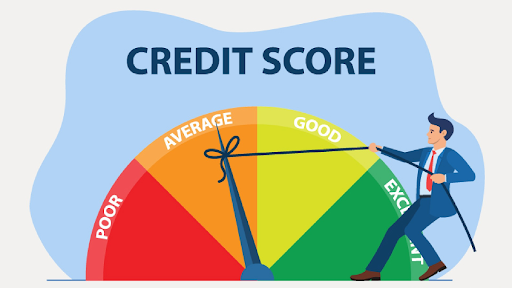
CIBIL compiles and analyzes this data to generate an individual’s credit report and credit score, which are used by banks, financial lenders, and other institutions to assess creditworthiness. Your CIBIL score is a three-digit number ranging between 300 and 900, with scores closer to 900 indicating better credit health.
Why CIBIL Full Form and Its Role Matter for Loan Applicants
For loan applicants, your CIBIL score plays a critical role in determining whether their application will be accepted or rejected. Here’s why the CIBIL full form is key for all prospective borrowers:
- Loan Approval Decisions
- Interest Rates
- Credit Card Approvals
- Negotiation Power
What Factors Affect Your CIBIL Score?
To maintain or improve your CIBIL score, you need to understand the key factors that affect it. Let’s explore the major components influencing your credit health:
- Repayment History
- Credit Utilization Ratio (CUR)
- Loan Applications
- Length of Credit History
- Credit Mix
What Is a CIBIL Report?
Your CIBIL report is a detailed record of your credit behavior. It serves as a snapshot of your financial history and helps lenders assess risk. A typical CIBIL report includes:
- Personal Information
- Account Details
- Repayment History
- Score Summary
You can request your own CIBIL report once a year for free, per RBI guidelines, or access it by subscribing to a paid plan.
How Aadhar Card Name Change Can Impact Your CIBIL Profile
If you’ve recently changed your name due to marriage, spelling corrections, or other reasons through an Aadhar card name change, you must ensure these updates reflect correctly in your credit records. A mismatch between your updated name and the name on your official credit file can lead to complications when lenders try to retrieve your CIBIL report.
Steps to Update Changes
- Change your name in the Aadhar Card
- Update Bank Records
- Update Financial Institutions
- Check CIBIL Records
A mismatch, however small, could delay loan processing or lead to rejections due to identity validation issues.
Steps to Improve Your CIBIL Score
If your CIBIL score doesn’t meet expectations, don’t panic. You can steadily improve it by following these steps:
- Pay Bills on Time
- Reduce Outstanding Debt
- Limit Credit Applications
- Monitor Your Report
- Maintain Credit Lines
Common Mistakes That Hurt Your CIBIL Score
Many applicants unknowingly damage their credit profile by committing these errors:
- Late Payments
- Co-signing Loans Without Careful Consideration
- Ignoring Errors in Your Credit Report
- Overutilization of Credit Cards
Regular monitoring of your CIBIL report and practicing financial discipline can prevent these issues.
How to Access Your CIBIL Score
Follow these simple steps to check your CIBIL score:
- Visit the CIBIL official website
- Register using your personal details
- Complete identity verification
- Access and download your credit score and report
While you can view your score once a year for free, subscribing to detailed reports is often advisable if you need frequent checks.
Conclusion
Your credit score serves as a crucial indicator of your financial reliability, making the CIBIL full form and associated processes indispensable for loan applicants. Whether you are planning to buy a home, start a business, or fund your child’s education, maintaining a strong CIBIL score is necessary for accessing loans on favorable terms. It also ensures that lenders view you as a trustworthy borrower.
Additionally, any document updates, like those linked to Aadhar card name changes, need to be synchronized with your credit records to avoid processing delays or identity-related discrepancies. By adhering to sound financial practices such as repaying bills on time, regularly monitoring your credit report, and maintaining credit discipline, you can build and sustain a healthy CIBIL score.
Understanding the CIBIL full form and its implications will empower you to take control of your financial destiny and avoid unnecessary hurdles associated with loan applications.
For More Information: https://forbespromagazine.com/