




How An Automatic Shrink Packing Machine Improves Production Efficiency
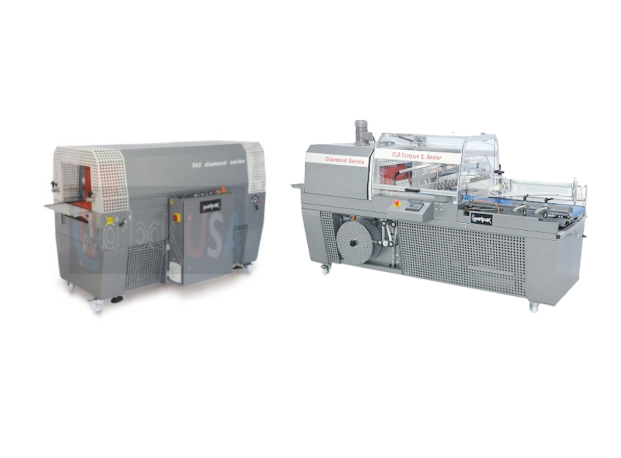
In modern manufacturing and distribution, efficiency is the key to staying competitive. From food packaging to e-commerce fulfillment, businesses need solutions that can handle high volumes without compromising quality. One of the most effective tools for streamlining packaging operations is the automatic shrink packing machine. By automating what was once a labor-intensive process, this equipment improves output, reduces costs, and ensures a consistent, professional finish on every package.
Why Shrink Packaging Matters
Shrink packaging has become a standard in multiple industries because of its versatility. Products are wrapped in protective film that, once heated, conforms tightly to their shape. This method not only enhances product appearance but also safeguards items against dust, moisture, and tampering.
For companies managing high-volume production, manual methods are no longer practical. An automatic shrink packing machine allows businesses to scale operations while maintaining speed and quality. The result is packaging that looks polished and performs reliably in transit.
Core Advantages Of Automatic Shrink Packing Machines
Investing in automation yields measurable benefits. Some of the primary advantages of using an automatic shrink packing machine include:
- Higher Throughput: Machines process hundreds of packages per hour, minimizing delays.
- Labor Savings: Reduces the need for manual wrapping, lowering staffing costs.
- Consistency: Every product receives uniform packaging, improving brand presentation.
- Material Efficiency: Automated systems optimize film usage, reducing waste.
- Integration: Machines can be integrated with existing conveyor systems for continuous flow.
These improvements translate directly into higher productivity and lower operating expenses.
Applications Across Industries
The versatility of the automatic shrink packing machine makes it valuable in a wide range of sectors:
- Food & Beverage: Wraps items like bottled drinks, canned goods, or baked products with tamper-resistant seals.
- Retail & E-Commerce: Ensures clean, professional packaging for items shipped directly to consumers.
- Pharmaceuticals: Provides protective wrapping that meets strict hygiene standards.
- Industrial Goods: Packages tools, electronics, and mechanical parts securely for transport.
In each case, automation ensures that packaging not only protects the product but also meets the expectations of customers and regulatory bodies.
Reducing Downtime Through Automation
One of the hidden costs in packaging operations is downtime caused by inefficiencies or equipment failure. An automatic shrink packing machine minimizes these issues through streamlined operation and durable construction. With routine maintenance, these machines deliver consistent performance and reduce the risk of production bottlenecks.
Additionally, advanced models come equipped with user-friendly control systems. Operators can adjust settings quickly, reducing setup time between production runs. This flexibility allows businesses to adapt to changing order sizes and packaging requirements without slowing down operations.
Supporting Sustainable Practices
Sustainability has become a priority in packaging, and automated shrink machines contribute by reducing material waste. Precision film-cutting systems ensure minimal excess use, while energy-efficient heating elements lower power consumption. By using recyclable shrink films, companies can further align packaging operations with eco-friendly practices.
This balance of efficiency and sustainability strengthens both cost control and brand reputation in today’s competitive marketplace.
Choosing The Right Machine
Not all packaging operations require the same level of automation. When selecting an automatic shrink packing machine, businesses should consider:
- Product Volume: Higher output facilities benefit most from full automation.
- Product Size Variety: Machines with adjustable settings accommodate diverse product lines.
- Integration Needs: Compatibility with conveyors and other packaging equipment.
- Budget: While upfront costs are higher, the return on investment comes from labor savings and efficiency gains.
By carefully assessing these factors, companies can ensure the equipment matches their production goals.
Conclusion
For businesses focused on productivity, cost control, and quality assurance, the automatic shrink packing machine is an indispensable tool. It automates repetitive tasks, enhances consistency, and supports sustainability—all while increasing output. Whether in food production, retail packaging, or industrial supply chains, this equipment drives efficiency and strengthens competitiveness.
As businesses evaluate their packaging options, some operations may also consider hybrid solutions. For example, a semi automatic l sealer machine can provide flexibility for smaller runs while still improving speed compared to manual methods. By combining the right tools with strategic planning, companies can achieve packaging systems that meet today’s demands and scale seamlessly into the future.