







Key Safety Practices When Operating a Shrink Packaging Machine in Plants
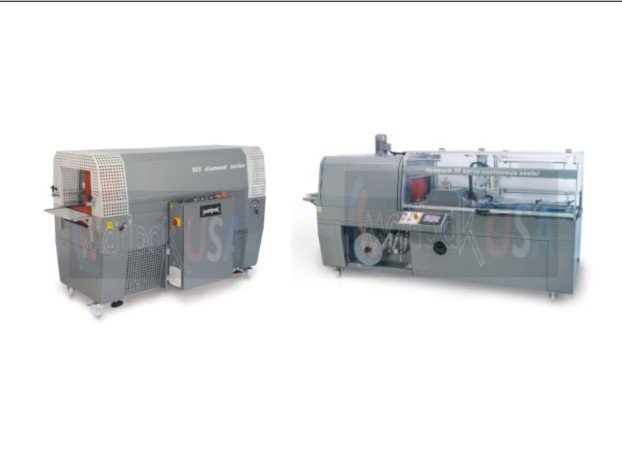
In manufacturing environments where goods are sealed for distribution, operators rely on the shrink packaging machine to package products securely and maintain quality for shipping and retail display. While this equipment offers efficiency and improved product protection, it also involves heat, moving parts, and electrical components that require careful handling. Safe operating practices not only protect workers but also maintain machine performance and reduce costly downtime in production settings.
Importance of Proper Training and Operator Awareness
Comprehensive training ensures that every operator understands how to run the shrink packaging machine without risking injury or product damage. Employees should be familiar with machine controls, emergency stop features, and procedures for loading materials correctly. Regular briefings on updates or new hazards help reinforce accountability on the production floor. Supervisors must verify that staff apply training consistently, especially when handling high-speed wrapping operations. Awareness of surroundings also reduces the risk of distractions and unexpected interactions between equipment and personnel.
Safe Material Handling and Loading Procedures
Loading shrink film and placing products onto conveyors must be done carefully to prevent hands from entering hazardous moving areas. When working with the shrink packaging machine, operators should use tools or guides instead of their bare hands around feed rollers or heating zones. Wearing appropriate personal protective equipment, such as gloves and safety glasse,s adds protection from sharp film edges or debris. Ensuring film rolls are stored properly and secured during installation prevents accidental drops or strain injuries, commonly associated with heavier rolls in industrial plants.
Thermal Protection and Heat Tunnel Precautions
Heat tunnels used for shrinking film can reach extremely high temperatures, making them a significant hazard. Guards and safety barriers on the shrink packaging machine should never be removed or bypassed, as they prevent accidental contact with hot surfaces. Operators must wait for the machine to cool before performing internal cleaning or adjustments. Clear warning labels help keep unauthorized personnel away from the heat zone. Good ventilation around the tunnel area further reduces exposure to uncomfortable heat levels while ensuring consistent shrink quality.
Electrical and Mechanical System Safety
Routine checks of wiring, grounding, and power supply systems help ensure that the shrink packaging machine operates without electrical faults. Only authorized maintenance technicians should perform work inside electrical panels or on motorized components. Lockout and tag-out procedures prevent the risk of accidental startup during repairs or film changeovers. Keeping the machine free of dust and loose materials reduces fire hazards and helps maintain smooth conveyor performance during continuous operation shifts.
Regular Maintenance and Inspection Routines
Daily visual inspections and preventive maintenance practices go a long way toward ensuring safe operation of a shrink packaging machine. Lubricating mechanical parts, clearing film residue, and tightening loose fasteners support reliable function and reduce vibration that could lead to machine failure. Replacing worn components promptly prevents breakdowns that might otherwise expose operators to dangerous manual interventions. Establishing a documented maintenance schedule also helps track recurring issues and reduce downtime.
Maintaining Emergency Readiness and Workspace Organization
A clean, clutter-free workspace around the shrink packaging machine ensures quick access to equipment controls and emergency stops when needed. Clearly marked pathways allow forklifts and workers to move freely without interfering with packaging operations. Fire extinguishers and first aid kits should remain visible and accessible to all employees at all times.
Conclusion
Industrial packaging operations depend on a well-managed balance of speed, accuracy, and worker protection. When operators follow proper training standards, practice careful loading methods, and respect heat and electrical hazards, the shrink packaging machine remains a safe and productive asset in any manufacturing facility. Preventative maintenance, workspace organization, and clear emergency protocols strengthen safety performance and extend the life of packaging equipment. Prioritizing these proven practices ensures lasting efficiency and reduces avoidable disruptions in plants utilizing modern POF shrink film machine setups.