



RV Camper Inverter 101: How It Works and Why Your Rig Needs One
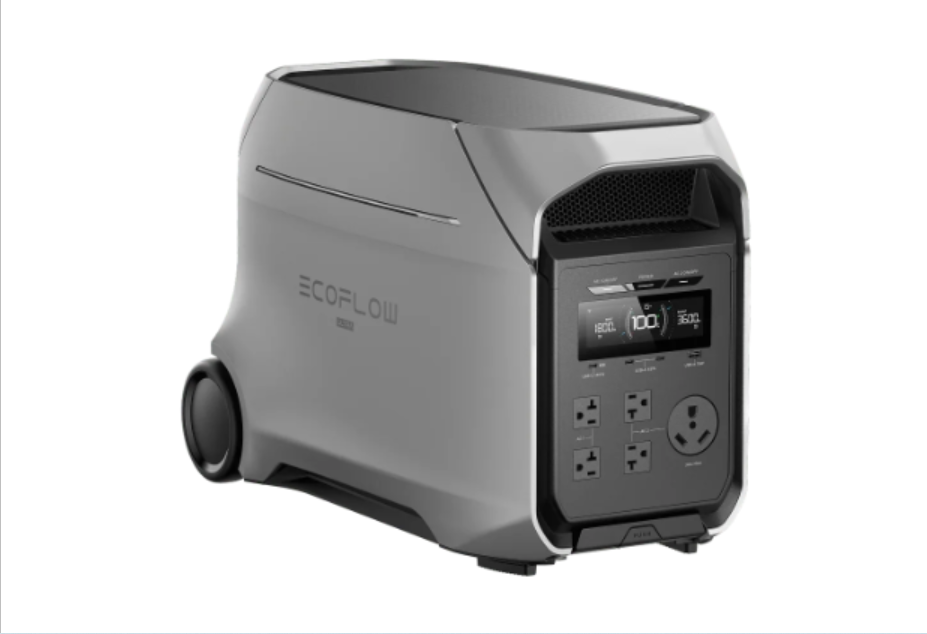
When outfitting an RV for travel, power management is one of the most important systems to understand. Among the many components that help keep appliances and devices running, the RV camper inverter plays a central role. Whether you’re boondocking off-grid, camping in a location with unreliable hookups, or simply wanting flexibility on the road, knowing how an inverter works and why it matters can significantly improve your overall RV experience.
What Is an RV Camper Inverter?
An RV camper inverter is an electrical device that converts 12-volt direct current (DC) power from the RV’s battery bank into 120-volt alternating current (AC) power. AC power is what most household appliances use, including microwaves, laptops, televisions, coffee makers, and many other necessities of daily life.
While RVs typically come with both DC and AC systems, the AC side generally requires either shore power, a generator, or an inverter to operate. Without an inverter, you would only be able to use AC-powered devices when plugged into an external power source. This makes the inverter essential for RVers who want independence from campgrounds or who travel frequently between powered sites.
How an RV Camper Inverter Works
Understanding how an inverter works begins with the RV battery bank. Batteries store energy as DC electricity, but most RV conveniences require AC electricity. An inverter solves this mismatch by using internal circuitry to switch, regulate, and reshape the electrical current from DC into a stable AC output. Modern inverters use sophisticated electronics to produce clean, reliable power. They also include safety features such as automatic shutoffs, overload protection, and cooling mechanisms to prevent overheating.
Types of RV Camper Inverters
Pure Sine Wave Inverters
A pure sine wave inverter creates AC power that almost perfectly replicates residential electricity. These units are best for sensitive electronics, including computers, medical equipment, and appliances with digital components. While more expensive, pure sine wave inverters offer higher reliability and quieter, smoother operation.
Modified Sine Wave Inverters
Modified sine wave inverters deliver a more basic form of AC power. They work well for simple devices such as lights, fans, and some tools, but they may cause buzzing, reduced efficiency, or even damage when used with sensitive electronics. These inverters are more affordable but not always the best choice for full-time RVers or those who rely heavily on electronics.
Why Your RV Needs an Inverter
There are several reasons why having an rv camper inverter is essential for modern travel.
1. Off-Grid Flexibility
If you enjoy boondocking or dry camping, an inverter becomes a necessity. It allows you to run AC-powered devices without hookups, giving you the freedom to camp virtually anywhere.
2. Improved Battery Efficiency
Inverters help maximize the usefulness of your RV’s battery storage. Instead of relying solely on DC-powered devices or running a generator constantly, you can access AC power whenever needed.
3. Quieter, More Eco-Friendly Camping
Generators provide AC power but are noisy, require fuel, and may be banned in certain camping areas. An inverter offers silent operation and is especially beneficial when paired with solar panels for sustainable energy production.
4. Ability to Use Household Appliances
From charging electronics to running kitchen appliances, an rv camper inverter allows you to use everyday items that would otherwise be inaccessible while on the road.
5. Added Safety and Power Regulation
High-quality inverters protect both your appliances and your RV’s electrical system by regulating voltage and preventing power surges or overload conditions.
Conclusion
An RV camper inverter is a key component of a reliable, flexible RV electrical system. It allows you to power household appliances, enjoy off-grid camping, reduce generator use, and protect your electronics. Understanding how inverters work and choosing the right one enables you to enjoy greater comfort and independence on every trip. For those completing their setup, consider upgrading related exterior features as well, such as installing durable outdoor wall lights. Whether you’re a weekend camper or a full-time RVer, investing in the right equipment can transform your experience outdoors.