





Stucco Wall Installation: Complete Process from Substrate Prep to Finish
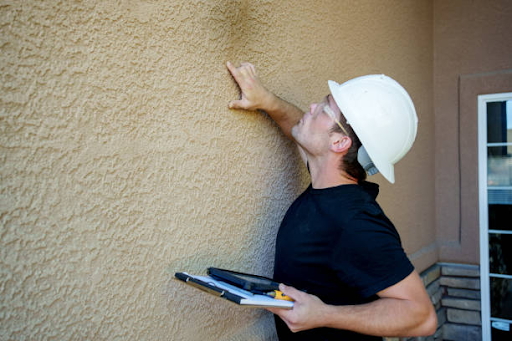
Stucco wall installation transforms bare framing into durable, attractive exterior walls capable of withstanding Florida’s harsh climate. The traditional three-coat system—still preferred by architects and builders—provides superior strength and longevity compared to one-coat systems when properly installed.
This comprehensive guide details each phase of professional new stucco application, from lath installation through finish texturing, with Florida-specific considerations.
The Traditional Three-Coat Stucco System
Why Three Coats Still Matter
| System | Durability | Flexibility | Cost |
| Three-Coat | Excellent | High | Higher |
| One-Coat | Good | Moderate | Lower |
| Two-Coat | Fair | Low | Lowest |
Traditional three-coat stucco uses a mixture of cement, lime, and sand mixed with water, applied in three distinct layers over metal lath. Each coat serves a specific structural purpose.
Materials Required for Proper Installation
Base Components:
- Portland cement (white or gray)
- Hydrated lime (Type S)
- Clean, sharp masonry sand (ASTM C897)
- 16-gauge galvanized self-furring diamond mesh lath
- Approved metal lath accessories (weep screeds, casing beads)
Florida stucco systems additionally require:
- Stainless steel or hot-dipped galvanized fasteners
- High-bond acrylic finishes for UV and salt resistance
Phase 1: Substrate Preparation and Lath Installation
Wood Frame Sheathing Requirements
Critical first step in stucco wall installation:
- Weather-resistant barrier (two layers #15 felt or housewrap)
- Metal lath installation (ISO 937 standard: 6″ horizontal/16″ vertical spacing)
- Proper accessories at all transitions (windows, doors, soffits, foundation)
Common installation errors that cause future failures:
❌ Vertical lath seams >16″ apart
❌ Nails driven through WRB before lath
❌ Missing weep screed at foundation (critical!)
❌ No back-wrapping at window rough openings
Concrete/Masonry Substrate Prep
For concrete block or poured walls:
- Clean the surface of the release agents and efflorescence
- Apply the approved bonding agent
- Install lath per the same spacing requirements
- Slope 1/4″ per foot away from the foundation
Phase 2: Three-Coat Application Sequence
Scratch Coat (First Layer)
- Purpose: Embed latch and create a mechanical key
- Thickness: 3/8″ average
- Mix ratio: 1 cement: 1/4 lime : 3 sand by volume
- Application technique: Press firmly into the lath, scored horizontally
24-48 hour cure before brown coat. Keep damp during curing.
Brown Coat (Structural Layer)
Purpose: Provide bulk strength and level the surface
Thickness: 3/8″ screeded level
Mix ratio: 1 cement : 1/6 lime : 3-1/2 sand
Application: Trowel perpendicular to scratch coat scoring
Critical: The Entire wall must be brown-coated the same day to prevent cold joints.
Finish Coat (Color and Texture)
Timing: Apply when the brown coat is firm but “thumbprintable.”
Thickness: 1/8″
Mix: Same as scratch but with integral color or surface-applied pigment
Florida-Specific Installation Considerations
High-Velocity Hurricane Zone (HVHZ) Requirements
Miami-Dade/Broward properties require:
- NOA (Notice of Acceptance) approved systems
- Enhanced attachment schedules (6″ o.c. edges, 12″ o.c. field)
- High-bond corner beads tested to +/-110 mph
Salt Air and UV Protection
Coastal installations use:
- Galvalume or stainless fasteners (not standard galvanized)
- 100% acrylic elastomeric finishes (15+ year warranty)
- Extra WRB layers (two-ply felt + fluid-applied)
Quality Control During Installation
Daily Inspection Checklist
☑ All lath accessories installed and secure
☑ No lath wrinkles or flat spots
☑ Scratch coat fully embeds lath (no shiny wire visible)
☑ Brown coat level within 1/4″ in 10 feet
☑ Finish coat uniform color and texture
☑ Control joints ≤144 sq ft spacing
Post-installation moisture testing verifies proper water management.
Conclusion
Stucco wall installation demands precision at every phase, from meticulous lath preparation through careful finish texturing. The traditional three-coat system, when properly executed, delivers unmatched durability in Florida’s challenging climate.
Homeowners investing in new stucco application benefit from dramatically reduced maintenance and superior long-term performance. Proper installation prevents the common failures—cracking, moisture intrusion, and delamination—that plague poorly executed stucco walls. Understanding these technical requirements helps owners make informed decisions about system selection, contractor qualification, and long-term maintenance.