







The Importance of Regular Vet Check-Ups
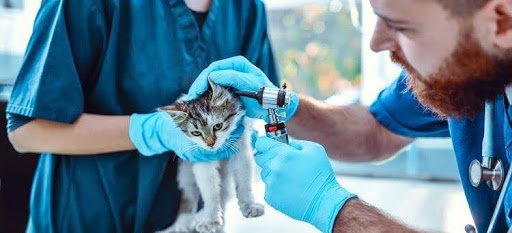
Our pets are more than just animals—they are loyal companions, emotional supporters, and beloved members of the family. Yet, many pet owners often underestimate the importance of regular veterinary check-ups. Just like humans need routine health assessments to prevent diseases, pets also require consistent vet visits to ensure their well-being. A general veterinary check-up goes beyond vaccinations and quick fixes; it helps detect underlying health problems early, maintain good nutrition, and monitor growth, weight, and overall behavior. Whether it’s a young puppy or a senior cat, every pet benefits from regular health evaluations. Early diagnosis often means easier and less expensive treatments, saving your pet from pain and distress. These check-ups not only help in maintaining physical health but also promote emotional stability, ensuring your pet leads a balanced and joyful life. Understanding the importance of these vet general check up in Dubai can be the key to keeping your furry friend healthy, active, and happy for years to come.
- Detecting Hidden Health Issues Early
Pets, unlike humans, can’t communicate their discomfort through words. Many illnesses develop silently and show symptoms only when they’ve reached an advanced stage. Regular vet check-ups help identify these hidden issues before they turn serious. Conditions like diabetes, thyroid problems, or organ dysfunction can be detected early through blood tests and physical examinations. Early detection means more treatment options, faster recovery, and reduced medical expenses. Routine vet visits act as a preventive shield, protecting your pet’s long-term health and sparing them from unnecessary suffering.
- Keeping Vaccinations Up to Date
Vaccines are vital in protecting pets from life-threatening diseases such as rabies, parvovirus, and distemper. During general check-ups, veterinarians review your pet’s vaccination schedule and ensure all shots are administered at the right time. Missing vaccinations can make your pet vulnerable to contagious infections, especially if they interact with other animals. Regular vet visits create a consistent record of your pet’s immunization history, giving you peace of mind that your furry friend is protected from potential outbreaks.
- Monitoring Weight and Nutrition
Obesity in pets is a growing concern and can lead to serious health issues such as diabetes, arthritis, and heart disease. On the other hand, being underweight might indicate malnutrition or parasites. A general check-up allows the vet to assess your pet’s body weight, diet, and activity levels. The veterinarian can suggest suitable food plans, portion sizes, and exercise routines tailored to your pet’s breed, age, and health condition. Maintaining an ideal weight through professional guidance ensures your pet remains energetic, healthy, and disease-free.
- Ensuring Proper Dental Health
Dental hygiene plays a major role in your pet’s overall health. During a general check-up, the vet examines the teeth and gums for tartar buildup, bad breath, or signs of gum disease. Poor dental health can cause pain, infection, and even impact the heart or kidneys if bacteria enter the bloodstream. Regular check-ups help detect early signs of oral issues, ensuring proper cleaning and preventive care. Fresh breath and strong teeth not only improve your pet’s comfort but also contribute to better eating habits and long-term vitality.
- Maintaining Parasite Control
Fleas, ticks, and worms are more than just irritants—they can cause severe health problems for pets and even spread diseases to humans. General vet check-ups include parasite screenings and preventive treatments. Vets recommend suitable medications to protect your pet from both external and internal parasites throughout the year. Continuous monitoring ensures that any signs of infestation are treated promptly, keeping your pet itch-free, safe, and comfortable.
- Tracking Growth and Development
For puppies, kittens, and young pets, regular check-ups are crucial for tracking physical and behavioral development. Vets assess how well the pet is growing, whether the bones are developing properly, and if the animal is hitting key growth milestones. For older pets, these visits help monitor age-related changes like joint stiffness, mobility issues, or decreased organ function. Consistent evaluations at every life stage help adjust diet, exercise, and care routines according to the pet’s evolving needs.
- Managing Behavioral Changes
Sudden changes in your pet’s behavior—such as aggression, lethargy, or loss of appetite—can be signs of underlying health issues. During check-ups, veterinarians can analyze behavioral patterns and determine whether they stem from medical or psychological causes. Early intervention not only improves your pet’s emotional well-being but also strengthens your bond with them. A calm, well-balanced pet is easier to train and interacts more positively with family members and other animals.
- Providing Guidance for Preventive Care
General vet check-ups are educational moments for pet owners. Vets provide insights into preventive care, such as proper grooming, dietary adjustments, vaccination schedules, and seasonal protection against pests. They can also guide you on topics like neutering, microchipping, and senior pet care. Regular consultations empower owners with knowledge, ensuring they make informed decisions for their pet’s health. Prevention is always better than cure, and your vet acts as a partner in creating a healthier lifestyle for your pet.
- Reducing Long-Term Health Costs
Many pet owners skip vet visits to save money, not realizing that neglecting preventive care often leads to larger expenses later. Early detection of diseases during check-ups can prevent costly emergency surgeries or prolonged treatments. Routine examinations, vaccinations, and dental care may seem like minor costs, but they significantly reduce the risk of serious illnesses. In the long run, maintaining regular check-ups helps you manage expenses while keeping your pet in optimal health.
- Strengthening the Human-Animal Bond
When your pet feels well-cared for, it deepens their trust and emotional connection with you. Regular check-ups reflect your commitment to their well-being. Pets that receive consistent care tend to be happier, more affectionate, and better behaved. Knowing that your companion is healthy and comfortable brings emotional reassurance and joy to both of you. Maintaining your pet’s health through regular vet visits ultimately strengthens the lifelong bond of love and companionship you share.
A general veterinary check-up is not just a routine appointment—it’s a vital part of responsible pet ownership. From detecting diseases early to maintaining healthy habits, these visits ensure that your furry friend lives a longer, more vibrant life. Neglecting regular check-ups can put your pet at risk of hidden illnesses, pain, or preventable conditions. By making pet health check up cost a priority, you safeguard your pet’s health, comfort, and happiness. Remember, a little attention today can make a big difference tomorrow. After all, a healthy pet means a happier home—and that’s something every pet parent strives for.