







Transition Costs And Savings Of Converting To An Electric Commercial Fleet
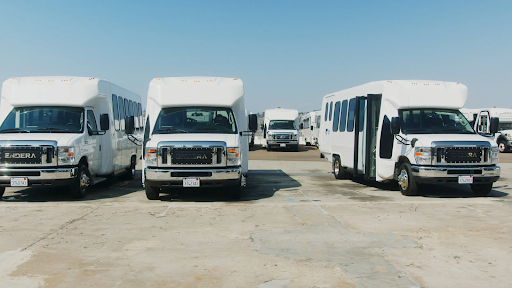
Businesses across industries are rethinking how they operate their vehicles, and sustainability is at the center of this change. Moving toward an electric commercial fleet is no longer just an environmental decision—it is also an economic one. While the transition comes with upfront costs, long-term savings in fuel, maintenance, and efficiency make electrification increasingly attractive for companies of all sizes.
Upfront Investment Considerations
The most immediate cost of converting to an electric commercial fleet is the purchase price of vehicles. Electric vans, trucks, and specialty vehicles often carry higher sticker prices compared to their gas or diesel counterparts. This is largely due to the cost of battery technology, though prices are expected to continue dropping as advancements in manufacturing scale up.
Companies must also consider infrastructure expenses. Installing charging stations at depots or warehouses can represent a significant investment. However, these stations become essential assets that reduce reliance on third-party fueling networks and give businesses greater control over operations.
Government Incentives And Financing
Despite higher upfront costs, financial incentives significantly offset the burden. Many regions offer rebates, tax credits, and grants for companies adopting an electric commercial fleet. In some cases, governments also support charging infrastructure development, reducing installation costs for private operators.
Fleet financing options are also expanding. Leasing structures, vehicle-as-a-service models, and financing programs designed specifically for electric vehicles allow companies to spread out expenses and align payments with operational savings. By taking advantage of these opportunities, businesses can transition faster without straining cash flow.
Operational Savings On Fuel
Fuel is one of the biggest ongoing expenses for fleet operators. Shifting to an electric commercial fleet dramatically reduces these costs. Electricity is generally cheaper and more stable in price than gasoline or diesel, creating predictable fuel budgets.
For businesses with large fleets, even modest savings per mile add up quickly. Overnight charging at company facilities also ensures vehicles are ready for daily operations without the need for costly refueling stops. Over time, these savings contribute significantly to offsetting the initial transition costs.
Maintenance Efficiencies
Another major advantage of an electric commercial fleet is reduced maintenance. Electric motors have fewer moving parts than internal combustion engines, eliminating many common repair issues such as oil changes, exhaust system failures, and transmission repairs.
Brake systems also last longer thanks to regenerative braking, which reduces wear and tear. These efficiencies not only lower repair costs but also minimize downtime—a critical factor for companies that rely on vehicles to keep operations running smoothly.
Building Partnerships For Transition
As companies prepare to electrify, choosing the right partners becomes essential. Working with commercial electric vehicle suppliers provides businesses with expertise in selecting the right models, planning infrastructure, and managing rollout schedules. Suppliers often assist with training programs for drivers and mechanics, ensuring fleets operate efficiently from day one.
Collaboration also extends to utility providers, who can help businesses understand grid demands and optimize charging schedules to reduce peak electricity costs. Strong partnerships smooth the transition and accelerate return on investment.
Long-Term Strategic Benefits
Beyond immediate financial factors, adopting an electric commercial fleet brings broader strategic advantages. Companies benefit from aligning with sustainability goals, which improves brand reputation and can attract eco-conscious clients. Some cities are also introducing zero-emission zones, meaning electric fleets may gain preferential access to urban centers while competitors face restrictions or higher fees.
Additionally, as technology advances, electric fleets will increasingly integrate with renewable energy systems and smart charging networks. This positions businesses to remain competitive in a future where sustainability and efficiency go hand in hand.
Conclusion
Transitioning to an electric commercial fleet requires careful planning and upfront investment, but the long-term rewards are substantial. Savings on fuel, lower maintenance costs, and improved operational efficiency quickly balance out the initial expense. Government incentives and partnerships with industry experts make the process more accessible than ever.
For companies considering their next step, evaluating trusted electric vehicles commercial options ensures a smoother transition and long-term sustainability. By investing today, businesses secure cost savings, reduce environmental impact, and strengthen their competitive edge in tomorrow’s marketplace.