






Truck Accident Lawyer: Specialized Litigation Expertise
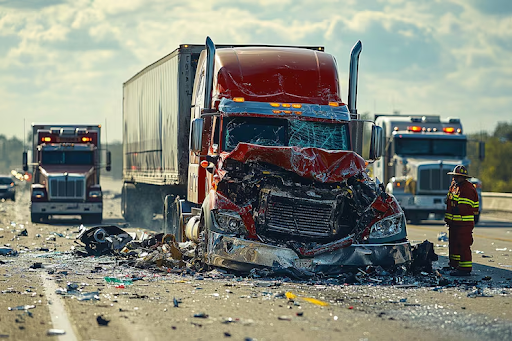 Truck Accident Lawyer: Specialized Litigation Expertise
Truck accident litigation is not an extension of car accident law. It is a separate, federally regulated battlefield involving commercial carriers, multi-layered insurance towers, sophisticated defence firms, and catastrophic damages. A truck accident lawyer brings specialised expertise that general personal injury attorneys simply do not possess. When filing a truck accident lawsuit—especially in Florida—specialisation is not optional. It is the difference between a capped settlement and a seven- or eight-figure recovery.
Why Truck Accident Cases Are Fundamentally Different
Commercial trucking cases operate under the Federal Motor Carrier Safety Regulations (FMCSRs), not just state negligence law. These cases involve professional drivers, regulated carriers, brokers, shippers, maintenance contractors, and manufacturers. Evidence disappears quickly. Insurance limits are high but aggressively defended. Liability is distributed across multiple entities, each attempting to shift blame. A truck accident lawyer understands this ecosystem and litigates accordingly.
FMCSA Regulatory Weaponry
FMCSR violations are not technicalities—they are litigation weapons. Hours-of-Service violations under 49 CFR Part 395 establish fatigue and can support negligence per se arguments. Electronic Logging Device (ELD) data exposes falsified logs and unlawful driving hours. Safety Measurement System (SMS) scores reveal systemic safety failures. Drug and Alcohol Clearinghouse queries uncover repeat substance violations. Gaps in pre-employment screening, background checks, and medical certification prove negligent hiring and retention. Generalists rarely know where to look; specialists know exactly what to pull.
Black Box & Digital Forensic Extraction
Commercial trucks record far more data than passenger vehicles, but it is overwritten fast. A truck accident lawyer moves immediately to preserve and download Engine Control Module (ECM) data, often capturing the critical eight seconds before impact. Speed, braking input, throttle position, and seatbelt usage reconstruct the collision with precision. When correlated with HOS logs, this data exposes fatigue and manipulation. Failure to preserve triggers spoliation sanctions and adverse inference instructions—devastating for the defence when handled correctly.
Multi-Party Liability Mapping
Truck cases are rarely about a single negligent driver. The doctrine of respondeat superior holds carriers vicariously liable. Shippers may be liable for negligent cargo loading. Brokers can be liable for negligent carrier selection. Leasing agreements often shift maintenance duties in ways that pierce corporate veils. Manufacturers may be liable for defective brakes, tires, or underride guards. A truck accident lawyer maps this liability web early to expand recovery sources and prevent finger-pointing from diluting damages.
Insurance Policy Warfare
Truck accident insurance is layered and adversarial. Federal law requires minimum coverage, but serious injuries exceed those limits instantly. A properly timed policy-limits demand can trigger bad-faith exposure under Florida law. Excess exposure affidavits quantify eight-figure verdict risk. UM/UIM stacking may multiply recovery options. Broker bonds and captive insurers become targets when carriers are undercapitalised. Inter-carrier arbitration often determines who pays what. This is insurance warfare, not negotiation—and it requires experience.
Expert Network Deployment
Truck litigation is expert-driven. Accident reconstructionists calculate delta-V and stopping distances. Biomechanical engineers connect forces to injury mechanisms. Trucking safety auditors certify FMCSR violations. Economists project lifetime earning losses that often exceed $5 million. Life-care planners conservatively estimate future medical needs that reach eight figures in catastrophic cases. Without the right experts, liability arguments collapse and damages get discounted.
Discovery Battle Command
Discovery in truck cases is aggressive by necessity. Targeted interrogatories expose driver inconsistencies. Requests for production secure Qualcomm, dispatch, and maintenance data. Requests for admission lock in undisputed facts. Dozens of coordinated depositions dismantle defence narratives. Privilege logs are challenged surgically to expose withheld safety audits and internal investigations. This is not volume discovery—it’s precision litigation.
Negotiation Leverage Creation
Settlements follow leverage, not sympathy. Excess verdict exposure forces policy-limits tenders. Structured settlements reduce insurer present-value pain while maximising client recovery. Simultaneous regulatory complaints escalate pressure. Bad-faith notices document carrier misconduct in real time. Every move is calculated to make trial the defence’s worst option.
Trial Theme Architecture
Truck trials are built on accountability. Openings humanise permanent loss. Experts establish causation with clarity, not jargon. Cross-examination dismantles “unavoidable accident” myths. Visual reconstructions make physics understandable. Closings connect regulatory violations to preventable harm. Jurors punish companies that choose profit over safety—when the case is framed correctly.
Appellate Preservation Strategy
Winning at trial means nothing if the record is weak. A truck accident lawyer preserves objections, files motions in limine to exclude junk science, and brings Daubert challenges against unqualified experts. Summary judgment preserves pure liability issues. Early jurisdictional challenges protect verdicts on appeal. This foresight separates serious litigators from settlement mills.
Evidence Preservation & Early Injunctions
Time is the enemy. Immediate spoliation letters are followed by emergency motions and inspection injunctions to secure vehicles, trailers, and electronic data before routine overwrites destroy evidence. Courts punish delay. Early judicial intervention converts evidence destruction into liability leverage instead of a fatal flaw.
Catastrophic Damages Framing
High verdicts require disciplined damages framing. Day-in-the-life videos, vocational impossibility proof, inflation-adjusted future care projections, and life-expectancy evidence anchor jurors to reality. This is not emotional manipulation—it is economic truth presented clearly.
Fee Structure Transparency
Truck accident lawyers typically operate on contingency. Forty percent pre-verdict is standard. Costs are advanced and recovered from proceeds. Structured fee arrangements preserve client net recovery. Written agreements prevent disputes and protect client interests.
Conclusion
Truck accident litigation demands regulatory mastery, forensic precision, expert deployment, insurance warfare, and trial discipline. A truck accident lawyer with Florida-specific knowledge positions catastrophic claims for maximum recovery while protecting them through appeal. When filing a truck accident lawsuit, specialisation is not a preference—it is the strategy.