







The Importance of Compressors for Ships for Powering the Voyage
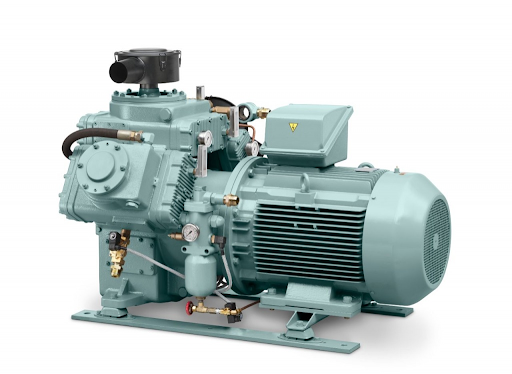
Ships are the backbone of global trade, transporting goods, fuel, and passengers across oceans and connecting countries worldwide. Behind their massive size and powerful engines lies a network of systems working in harmony to ensure smooth operations. One critical component that plays a vital role in this process is the compressor. Compressors may not be as visible as engines or navigation systems, but they are essential for a ship’s performance, safety, and efficiency. These machines are responsible for supplying compressed air used in various systems, from engine starting to cooling and cargo handling. Without a properly functioning compressor, even the largest and most advanced ship can face significant operational challenges. Understanding the importance of Compressors in UAE helps shipping companies, crew members, and engineers maintain reliability while reducing downtime and ensuring safe journeys across the seas.
Understanding What a Compressor Does on a Ship
A compressor is a mechanical device that increases the pressure of air by reducing its volume. On ships, compressors are used to provide high-pressure air for essential operations. The most common application is in the starting system of the main engine. Large marine engines cannot start on their own; they need a powerful burst of compressed air to initiate movement.
Beyond engine starting, compressors are used in control systems, refrigeration, pneumatic tools, and cargo operations. For example, cargo ships transporting liquid goods often rely on compressors for pumping systems and maintaining pressure in storage tanks. This makes compressors indispensable for a wide range of marine applications, proving they are much more than just supporting equipment.
The Role of Compressors in Engine Starting
The main engine of a ship is massive and requires significant force to turn over. Unlike small engines, it cannot be started with a simple ignition switch. Compressors play a vital role by supplying high-pressure air stored in air receivers. When this compressed air is released into the engine cylinders, it pushes the pistons, creating the initial rotation needed to start the engine.
This process is critical because a delay or failure in engine starting can disrupt schedules and lead to costly downtime. For ships operating on tight deadlines, such as cargo carriers or passenger liners, reliable compressors are crucial for maintaining smooth operations and avoiding delays.
Compressors for Control and Automation Systems
Modern ships are equipped with sophisticated control and automation systems that rely on compressed air. These systems use pneumatic controls to operate valves, sensors, and safety mechanisms. Compressors ensure there is a continuous supply of clean, high-pressure air to keep these systems functioning properly.
Without compressors, automated processes on board, such as ballast control or fuel management, could malfunction, leading to safety risks or inefficient performance. In this way, compressors indirectly contribute to operational safety and environmental compliance.
Importance of Refrigeration and Cooling
Many ships, especially those transporting perishable goods, depend on refrigeration systems to keep cargo at the required temperature. Compressors are a core component of these refrigeration units. They help circulate refrigerants, which absorb and release heat, maintaining the desired cooling effect.
Even ships without perishable cargo need cooling systems to regulate engine and machinery temperatures. Overheating can damage critical equipment, reduce efficiency, and pose safety hazards. By powering these cooling systems, compressors help protect both the ship and its cargo during long voyages.
Supporting Cargo Operations
Certain types of cargo, such as liquefied natural gas (LNG) or petroleum products, require specialized handling systems. Compressors are used to maintain pressure in storage tanks, power cargo pumps, and ensure safe loading and unloading procedures. In tankers, compressors help maintain the right environmental conditions inside tanks, preventing product loss or contamination.
This role is especially important for the global energy supply chain, where ships transport vast amounts of fuel and gas across continents. Reliable compressors ensure these valuable resources are handled safely and efficiently.
Safety and Emergency Systems
Safety is a top priority on any vessel, and compressors play a key role in emergency preparedness. Many safety systems, such as fire suppression equipment or emergency shutdown mechanisms, depend on compressed air to operate. In the event of a fire or machinery failure, compressors provide the air pressure needed to activate critical safety responses.
Ships are also required to maintain backup compressors to ensure redundancy. This means that even if one compressor fails, another can immediately take over, minimizing risks and ensuring compliance with international maritime safety regulations.
Energy Efficiency and Environmental Compliance
Compressors not only support mechanical operations but also contribute to energy efficiency and environmental compliance. Modern compressors are designed to optimize air pressure while minimizing energy consumption. This helps ships reduce fuel usage, lowering operational costs and greenhouse gas emissions.
Environmental regulations, such as those set by the International Maritime Organization (IMO), require ships to operate cleanly and efficiently. By ensuring proper functioning of pollution control systems and other environmental mechanisms, compressors indirectly help ships meet these strict standards.
Regular Maintenance for Reliability
Given their vital role, compressors require regular maintenance to remain reliable. Saltwater exposure, constant use, and harsh conditions at sea can cause wear and tear. Routine inspections involve checking for leaks, cleaning filters, and monitoring pressure levels.
Proper maintenance prevents sudden breakdowns, which can lead to delays, financial losses, and safety hazards. Crew members are trained to identify early signs of compressor issues, ensuring they are addressed before they escalate. Shipping companies often keep spare parts and backup units on board to avoid operational interruptions.
Compressors are the unsung heroes of the maritime world, quietly powering essential systems that keep ships operational and safe. From starting massive engines to maintaining refrigeration, powering cargo operations, and supporting safety mechanisms, their importance cannot be overstated.
As global trade continues to expand, the role of compressors from a supplier compressor will only grow, with technological advancements making them even more efficient and reliable. For ship owners and operators, investing in high-quality compressors and maintaining them properly is not just a matter of performance but also of safety and sustainability.
Understanding the importance of compressors helps us appreciate how these machines contribute to the smooth functioning of maritime operations. They are the invisible force behind every successful voyage, ensuring that ships can continue to navigate the world’s oceans with confidence and efficiency.