






How Thread Count Impacts Detail Quality In Custom Tapestries
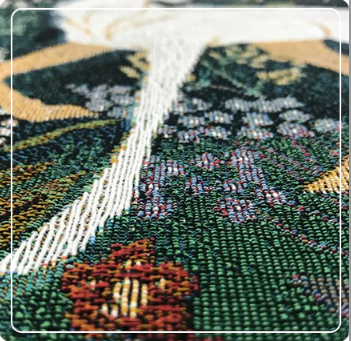
Tapestry art has become a favorite medium for personal expression, home décor, and modern textile craftsmanship. Whether designed for aesthetic appeal or as meaningful keepsakes, today’s woven pieces demonstrate impressive clarity and depth thanks to advanced weaving techniques. As more artists and buyers look deeper into what determines visual quality, one factor consistently stands out: thread count. This measurement influences sharpness, texture, and artistic precision—especially in custom tapestries, where personal imagery and detailed artwork demand higher accuracy.
Why Thread Count Matters in Tapestry Design
Thread count refers to the number of horizontal (weft) and vertical (warp) threads per inch within a woven piece. A higher count allows more threads to participate in creating the image, which increases the resolution.
Higher Thread Count = Greater Detail
Finer threads allow the loom to reproduce subtle gradients, small shapes, and intricate line work. For designs containing portraits, landscapes, logos, or handwritten text, increased thread count ensures clarity similar to printed artwork.
Lower Thread Count = Softer, More Textured Aesthetic
Some artists intentionally choose lower thread counts for a rustic or handcrafted look. This results in bolder shapes and a more impressionistic visual style. When creating a custom tapestry piece, choosing the right aesthetic depends entirely on the purpose of the artwork.
Visual Sharpness Depends on Density
Just like digital pixels, woven threads act as the building blocks of an image. More threads mean more “pixels,” enabling crisp edges and smoother transitions between colors.
How Thread Count Affects Color Depth and Gradient Accuracy
Tapestries often involve blending multiple hues to create a cohesive image. Thread count significantly impacts how these blends appear.
Better Color Blending With High Thread Density
More threads allow designers to combine multiple shades in smaller sections, creating smooth color gradients. This technique is ideal for:
- Nature scenes
- Abstract artwork
- Portrait shading
- Textured backgrounds
Reduced Banding and Harsh Lines
Lower thread counts sometimes produce visible color bands, making transitions appear sharp or blocky. For people who want to make your own tapestry using photographic or high-contrast imagery, a higher thread count helps prevent these unwanted effects.
Thread Count and Fabric Texture
Aside from visual clarity, thread density also influences the tactile experience of a tapestry.
Smooth, Refined Texture
High-density tapestries feel soft, elegant, and less coarse. They drape well and fit beautifully into modern interior design.
Heavy, Textured Feel
Low thread count offers a heavier, more textured aesthetic common in traditional or historical tapestry designs. This creates a stronger visual dimension but may sacrifice detail.
Choosing the Right Thread Count for Different Artwork Styles
For Photographs and Realistic Art
Photographic accuracy requires a higher thread count to capture details such as:
- Facial features
- Hair texture
- Fine lines
- Detailed backgrounds
A high-density custom wall tapestry ensures natural-looking results.
For Bold, Minimal, or Graphic Designs
Geometric shapes, symbols, typographic artwork, or simple illustrations do not require extremely high thread counts. Lower counts preserve boldness without unnecessary complexity.
For Text-Heavy Tapestries
If your tapestry includes quotes or lettering, a higher thread count prevents blurring or distortion of the text.
How Thread Count Influences Durability
Higher Thread Count = Tighter Weave
A tight weave improves:
- Longevity
- Resistance to stretching
- Print stability over time
Lower Thread Count = Increased Flexibility
Looser tapestries may stretch more easily, but they often have a traditional charm and are still durable when created with high-quality fibers.
Conclusion
The quality, clarity, and texture of custom tapestries all depend heavily on the thread count used during weaving. Higher thread counts allow for exquisite detail, smoother gradients, and refined textures, while lower thread counts create bold, textured, traditional pieces that emphasize artistry over precision. Understanding this balance helps artists and buyers choose the ideal density for their projects. And for those seeking thematic pieces or exploring creative textile ideas, blending detailed craftsmanship with imaginative designs—such as a beautifully woven unicorn tapestry—shows just how versatile modern tapestry production has become.

