






Sports Injury Rehabilitation Through Physiotherapy
Sports participation plays an important role in maintaining physical fitness, mental well-being, and overall quality of life. However, injuries can occur during training, recreational activity, or competitive sport. When an injury affects movement or performance, structured rehabilitation becomes essential. Physiotherapy is a key part of recovery, supporting healing, restoring function, and helping individuals return to activity safely. A well-planned rehabilitation approach addresses physical recovery while also supporting confidence during the healing process.
Sports injury rehabilitation focuses on gradual improvement rather than quick fixes. Many individuals seek guidance from the best physiotherapist in Mumbai to ensure their recovery follows a clinically sound and structured plan that prioritises safety and long-term outcomes.
Understanding Sports Injuries And Their Impact
Sports injuries can vary in severity and cause. Some occur suddenly due to falls, collisions, or sudden changes in direction. Others develop over time because of repetitive strain, poor movement patterns, or inadequate recovery between activities. Common injuries include muscle strains, ligament sprains, tendon irritation, joint instability, and stress-related bone conditions.
The impact of these injuries extends beyond physical discomfort. Restricted mobility can interfere with daily routines and work responsibilities. Reduced participation in physical activity may also affect emotional well-being, leading to frustration or loss of motivation. Effective rehabilitation recognises both the physical and psychological challenges of injury recovery and addresses them through a structured and supportive approach.
The Role Of Physiotherapy In Rehabilitation
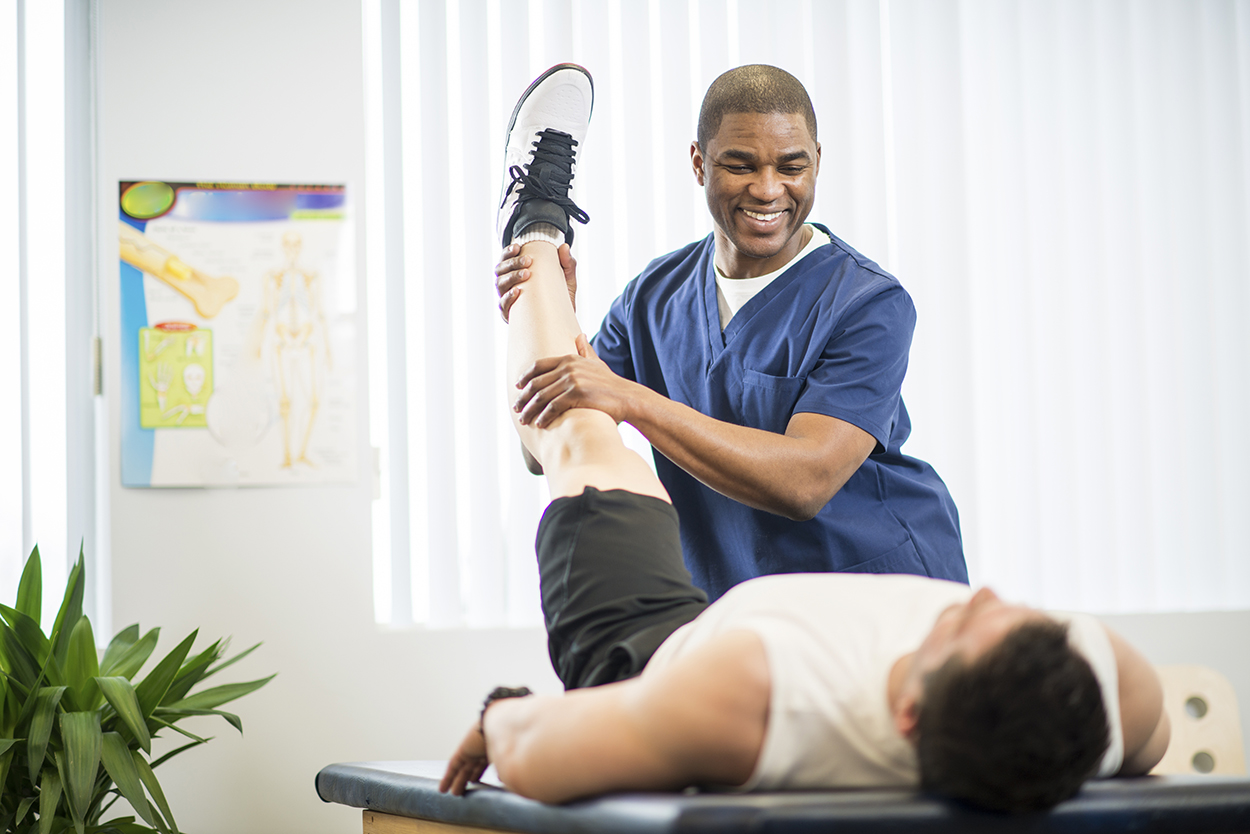
Physiotherapy aims to restore movement, strength, coordination, and stability following a sports injury. A physiotherapist begins by assessing the injured area, reviewing medical findings when available, and analysing posture and movement patterns. This assessment allows the development of a personalised rehabilitation plan.
Treatment focuses on gradual improvement rather than aggressive intervention. Exercises and movement strategies evolve as healing progresses, ensuring that the body adapts safely to increased demands. This personalised approach helps reduce discomfort, improve function, and lower the risk of reinjury. Many individuals consult the best physiotherapist in Mumbai during this phase to receive structured guidance tailored to their recovery needs.
Phases Of Sports Injury Rehabilitation
Sports injury rehabilitation usually follows a structured progression. Each phase supports healing while preparing the body for the next stage of recovery.
- Initial Recovery Phase
This stage focuses on reducing pain, swelling, and stiffness. Gentle movement, positioning guidance, and education help protect the injured area while maintaining basic mobility. - Restoration Of Movement And Strength
As healing advances, therapy emphasises improving joint mobility, muscle strength, and coordination. Exercises target both the injured area and supporting muscles to improve balance and stability. - Functional Training And Return To Activity
The final phase prepares individuals for daily tasks or sport-related movements. Gradual loading, balance exercises, and controlled strengthening help ensure the body tolerates increased activity safely.
Each phase contributes to safe recovery. Skipping stages or returning to activity too quickly may increase the risk of reinjury, underscoring the importance of structured progression.
Importance Of Individualised Assessment
Every sports injury presents differently, even when diagnoses appear similar. Factors such as age, fitness level, occupation, and previous injuries influence recovery. Individualised assessment allows physiotherapists to adapt rehabilitation plans to these variables.
Clinical evaluation includes range-of-motion testing, strength assessment, and movement analysis. Physiotherapists also consider lifestyle demands and recovery expectations. This comprehensive approach supports both short-term healing and long-term physical resilience, helping individuals return to activity with confidence.
Preventing Reinjury Through Physiotherapy
Rehabilitation extends beyond pain relief. Physiotherapy also focuses on reducing the risk of future injuries by addressing underlying physical factors. Preventive strategies support long-term movement health.
- Correction of inefficient movement patterns that increase strain
- Strengthening programmes to address muscle imbalance and joint stability
- Education on warm-up routines, recovery practices, and activity progression
- Guidance on managing training loads to prevent overuse injuries
By addressing these areas, physiotherapy supports sustainable physical activity rather than focusing solely on short-term recovery. Preventive care helps individuals maintain performance while reducing the risk of recurrence.
Emotional Support During Recovery
Sports injury recovery can be mentally challenging. Concerns about delayed progress or reinjury often affect motivation and confidence. Physiotherapists support emotional well-being by explaining recovery stages clearly and setting realistic expectations.
Regular communication helps individuals understand their progress and remain engaged in rehabilitation. Compassionate guidance encourages adherence to treatment plans while reinforcing confidence in movement. Emotional support plays an important role in overall recovery.
Conclusion
Sports injury rehabilitation through physiotherapy focuses on restoring movement, function, and confidence. Through structured assessment, personalised treatment planning, and gradual progression, physiotherapy supports safe recovery while reducing the risk of future injury. By addressing both physical and emotional aspects of healing, physiotherapy helps individuals return to activity with improved awareness, stability, and long-term resilience.