





How and Where to Capture Stunning Moose Photography Shots
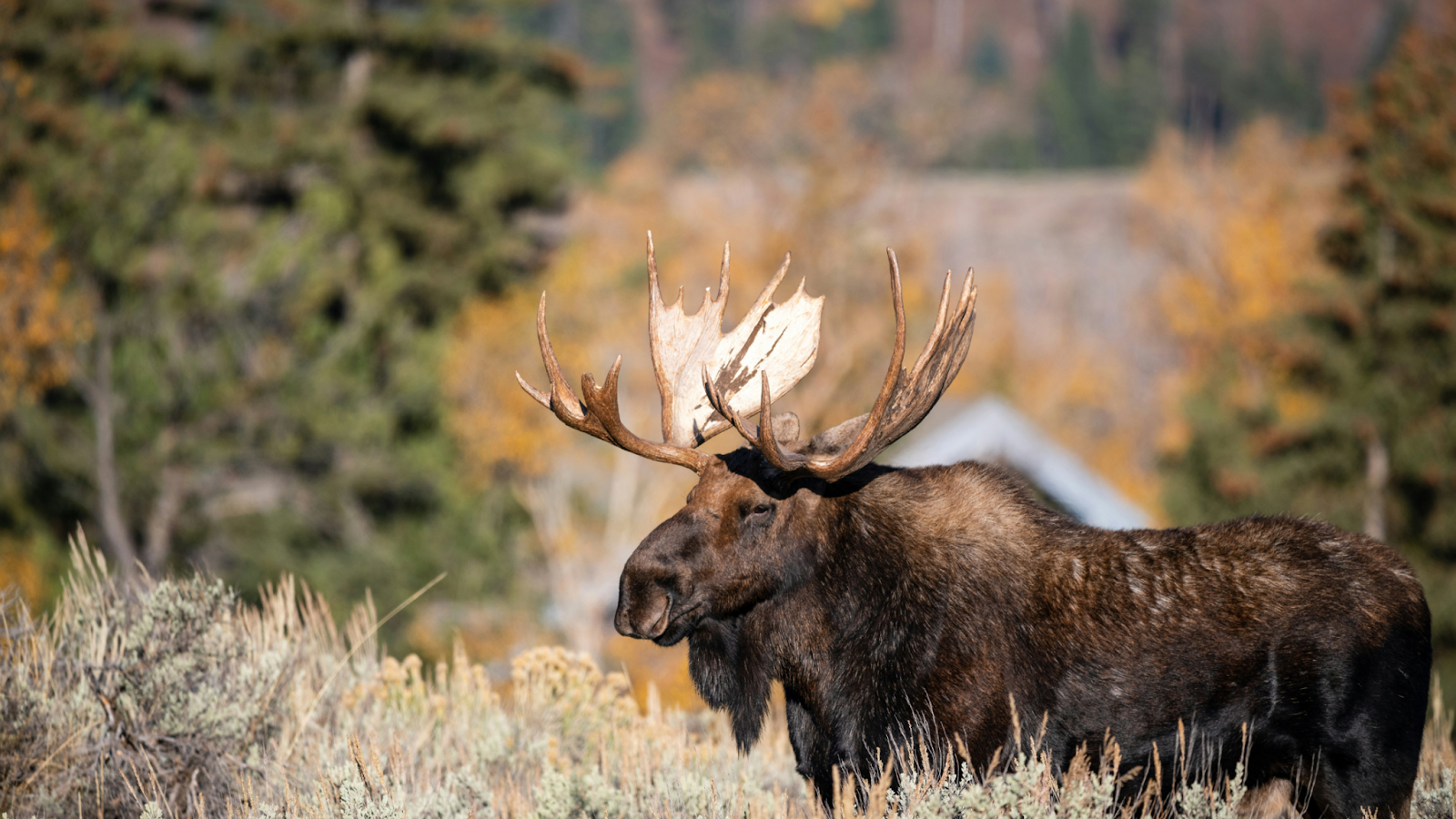
Photographing moose is one of the most rewarding experiences for wildlife enthusiasts. These majestic animals are the most prominent members of the deer family, often weighing over 1,000 pounds, yet they move gracefully through forests, wetlands, and mountains. Capturing their essence requires both preparation and knowledge of their behavior. If you want to add striking moose images to your portfolio, understanding when, where, and how to approach them makes all the difference.
Best Locations to Photograph Moose
Moose inhabit northern climates where boreal forests and wetlands dominate. In the United States, some of the best opportunities exist in states like Alaska, Maine, Minnesota, and Wyoming. National parks and wildlife refuges in these areas offer safe and ethical opportunities to observe and photograph them in their natural habitat. Canada also offers outstanding options, with moose commonly found across provinces such as Alberta, British Columbia, and Newfoundland.
When choosing a location, focus on areas with abundant food sources such as aquatic plants, willow, and aspen. Moose spend significant time near ponds, rivers, and marshes, particularly in the summer when they cool off and feed in shallow water. In the fall, look for open meadows and forest clearings where bulls display during the rut.
Timing Is Everything
Moose are most active during early mornings and late evenings, especially in the summer when midday heat keeps them in shaded cover. The golden hours also provide soft, flattering light that enhances your photographs. Fall is the prime season for action shots, as the rut brings bulls into the open, creating opportunities to capture dramatic behaviors such as sparring and calling.
Winter photography, though more challenging, offers unique compositions. Snowy backdrops highlight the moose’s dark coat, and their slower pace in deep snow can make them easier to photograph from a distance. Always dress warmly and prepare for harsh conditions if attempting winter shoots.
Approaching Moose Safely
Moose may appear calm, but they are unpredictable and can become aggressive, especially during the rut or when mothers are protecting calves. Keep a safe distance—at least 50 yards—and use telephoto lenses to capture close-up details without disturbing the animal. Patience is essential. Rather than approaching too quickly, allow the moose to move naturally into your frame.
Using natural cover, such as trees and shrubs, can help conceal your presence. Creep, avoid sudden movements, and respect the animal’s space. Ethical wildlife photography prioritizes the safety and well-being of the subject over capturing the perfect shot.
Essential Gear for Moose Photography
A telephoto lens in the 300–600mm range is ideal for moose photography, allowing you to capture details like antler texture and facial expressions while maintaining distance. Tripods or monopods help stabilize heavy lenses, especially in low light. For dynamic environments such as wetlands, waterproof boots and protective gear for your camera are valuable.
Drone photography is increasingly popular, but it must be used responsibly. Many parks have restrictions, and moose can be easily startled by drones. Always check regulations before flying and prioritize the animal’s comfort.
Benefits of Small Group Photography Tours
For photographers new to wildlife or unfamiliar with moose habitats, small group photography tours can provide invaluable support. These tours are often led by experienced guides who have a deep understanding of moose behavior, seasonal patterns, and ethical practices. Joining a small group photography tour also enhances safety, as guides can navigate remote areas and reduce the risks of close wildlife encounters.
Beyond safety, small group photography tours offer learning opportunities. Participants can exchange techniques, receive feedback, and access locations that may be difficult to find independently. For many enthusiasts, the shared experience of capturing a magnificent moose in the wild becomes as rewarding as the photographs themselves.
Final Thoughts
Moose photography requires patience, respect, and an understanding of the animal’s natural rhythms. By choosing the correct location, planning around seasonal behaviors, and using appropriate gear, you can capture images that showcase the majesty of these giants. Whether you venture out on your own or join a guided tour, always remember that ethical practices ensure both your safety and the well-being of the moose. With preparation and dedication, photographing moose can become a highlight of your wildlife photography journey.
for more information visit:- forbespromagazine